
What Is Open Adoption & How Does It Work?
Open adoption is when the adoptive family/adopted child and biological family in an adoption triad maintain some level of contact after the adoption is finalized. This, for some families, is an intimidating idea when first diving into the world of adoption. The reality is that open adoption looks different for every family and is often what is best for all parties, especially the child. It can be common for hopeful and adoptive parents to jump to the conclusion that open adoption means you have to co-parent with the birth parent(s). This could not be farther from the truth and the reality is that there are levels of openness in adoption. As an adoptive mom with two very different open adoptions, I feel it is so important to understand why open adoption is becoming more and more popular and what the benefits are. Let’s dive into open adoption and some of the key characteristics surrounding it.
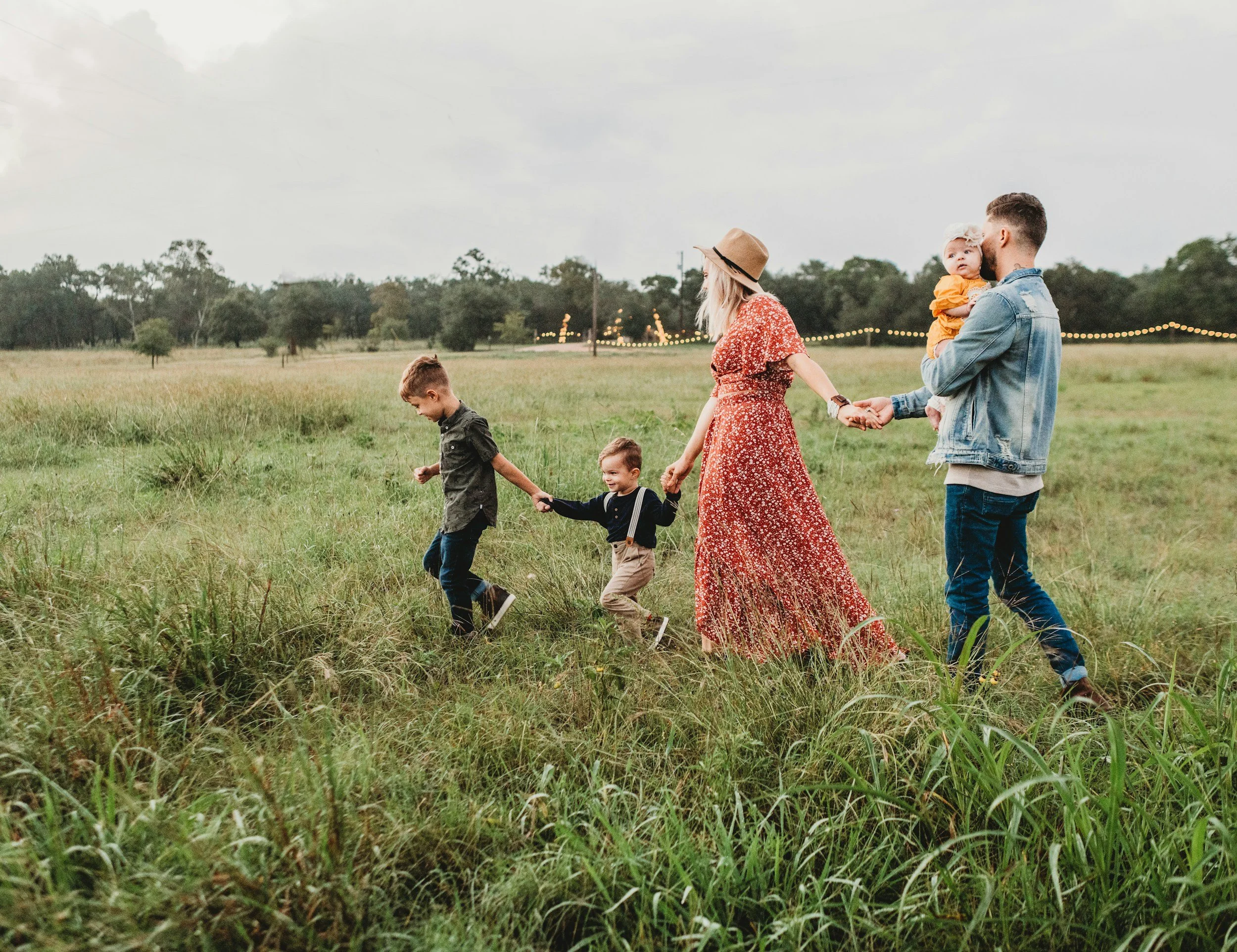
What Is Open Adoption?
At its core, open adoption is an adoption where ongoing communication exists between birth parents and adoptive parents. But it’s important to understand: open adoption is a spectrum, not a single model. Each adoption relationship is shaped by the needs, comfort levels, and expectations of everyone involved.
The Openness Spectrum
Openness can take many forms, including:
Fully open adoption: Regular updates, visits, shared milestones, and direct communication
Semi-open adoption: Limited contact through email, photos, or scheduled check-ins
Mediated openness: Communication handled by a third party
Medically open: Only medical updates shared
Every family’s arrangement is unique, and the level of openness can evolve over time.
What Open Adoption Looks Like in Real Life
Open adoption is not co-parenting. It’s not daily phone calls. It’s not a lack of boundaries. Most open adoptions are built on mutual respect and clear communication.
Common forms of contact include:
Occasional texting
Photo or video updates
Email communication
Phone calls
Social media connection
In-person visits (once a year, quarterly, or whatever feels right)
Shared photo albums or milestone updates
Some families communicate often, others only a few times a year. Both are normal and beneficial.
Benefits of Open Adoption
Openness isn’t just a nice idea; it supports emotional health, identity, and trust for everyone in the adoption triad.
Benefits for the Child
A deeper sense of identity and connection
Access to medical and genetic history
Reduced feelings of abandonment or confusion
Clear understanding of their story from the beginning
Benefits for Birth Parents
Peace of mind knowing their child is safe and loved
Continued connection that can reduce long-term grief
Empowerment through an ongoing role in the child’s life
Benefits for Adoptive Parents
A trusting, supportive relationship with birth parents
Better understanding of their child’s needs and background
Less fear of the “unknown” regarding their child’s story
Openness can provide emotional grounding for everyone involved. It has been such a blessing to ma as an adoptive mama to be able to ask my sons’ birth parents about family health history, their childhoods, and little quirks I notice in my kids. I feel confident my kids will also be blessed by this as they grow.
Common Concerns About Open Adoption
It’s normal for hopeful adoptive parents to feel hesitant at first. Some fears you may recognize include:
“Will it confuse the child?”
Research shows that openness strengthens identity and reduces confusion.“Will boundaries be respected?”
Boundaries are established early and can evolve together. We have varying levels of openness with 3/4 bio parents for our two children and we have NEVER had an issue with boundaries.“What if things become complicated?”
Healthy communication and support from your attorney, social worker, or therapist can help prevent misunderstandings.
Open adoption requires clarity, mutual respect, and ongoing conversation…NOT perfection.
How to Set Up a Healthy Open Adoption Relationship
A strong open adoption doesn’t happen by accident. It’s intentional and thoughtful.
1. Discuss Expectations Early
During the matching process, talk through:
How often communication will happen
Preferred methods (text, calls, visits)
What each party hopes the relationship will look like
We let the expectant parents lead these conversations but we are so thankful that we were all able to lay out expectations ahead of time!
2. Put Agreements in Writing, but Be Open to Fluidity
Even if not legally binding, written agreements help everyone feel secure and aligned. But it’s important to note that (like any relationship) arrangements can change over time and that’s ok.
3. Keep the Child’s Best Interest at the Center
As your child grows, their needs may shift and so will the relationship, be flexible whenever possible.
Challenges You May Encounter
Open adoption is beautiful, but it isn’t always simple. Some families experience:
Inconsistent communication
Emotional ups and downs
Shifting expectations
Navigating boundaries as the child grows
These challenges don’t mean the relationship is failing. They just mean the relationship is human. Our boys are young enough that we haven’t had much experience with changes in the relationships affecting them yet, but we plan to always be honest with them and help them get answers to all of their questions.
Our Experience With Open Adoption
As an adoptive mom, I’ve experienced two very different open adoptions. Both taught me that openness isn’t about perfection, it’s about connection. It’s about honoring your child’s story, respecting their first family, and building trust slowly and intentionally.
Every adoption looks different, and that is completely okay.
Thinking About Private Adoption?
Open adoption often goes hand-in-hand with private adoption, and it’s important to feel prepared before beginning the journey.
If you’d like help understanding the steps, expectations, and next decisions, you can download my free Private Adoption Checklist, created specifically for hopeful parents navigating private or independent adoption.
Final Thoughts
Open adoption is rooted in connection, respect, and a shared love for a child. It doesn’t look the same for every family, but its heart stays the same: providing the child with the strongest foundation possible.
No matter where you are in your adoption journey, you’re not alone. I’m cheering for you every step of the way.
If you have more questions about open adoption, feel free to reach out to me. I’d love to connect!